 Norway
City guide · Norway
Bergen
About Bergen
Bergen, Norway's second-largest city, sits on the west coast surrounded by mountains and fjords. A major trading port of the Hanseatic League for centuries, it is known today as the gateway to the fjords, with a picturesque harbour and a relaxed, small-city feel.
The colourful wooden merchants' houses of Bryggen, a UNESCO World Heritage Site, line the harbour of Vågen beside the fish market. The Fløibanen funicular climbs Mount Fløyen for views over the city and fjord, and the Ulriken cable car rises to the highest of Bergen's surrounding mountains. Bergenhus Fortress and Troldhaugen, the former home of composer Edvard Grieg, complete a first visit.
One or two nights are usual, often as part of a fjord circuit. The classic route to Oslo runs via Voss, Flåm and the Sognefjord, and day trips reach the Hardangerfjord. The direct train to Oslo takes about seven hours, and coastal voyages northwards along the Norwegian coast begin here.
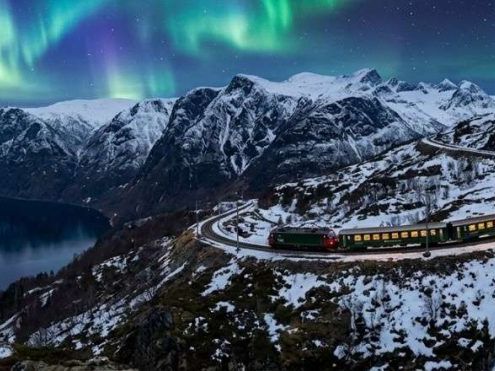
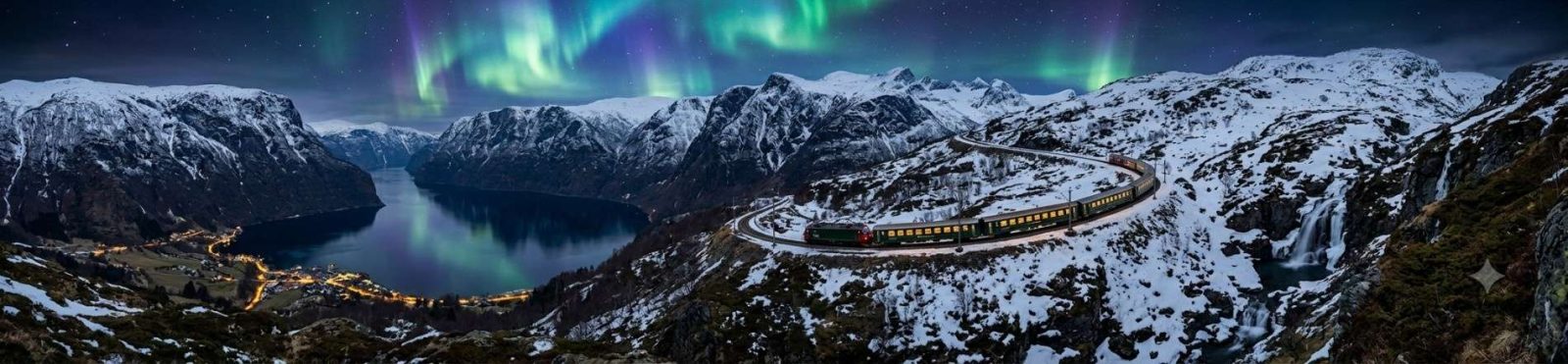
The fjord landscapes around Bergen, from waterfalls to mountain railways, make the area a highlight for families and first-time visitors to Scandinavia.
Practical Information
Useful to know before your group arrives in Bergen.
Loading typical weather…
Typical weather is not available right now. Please try again later.
| High °C |
|---|
| Low °C |
| Rainy days |
Bergen has a mild but very wet climate; it is one of the rainiest cities in Europe, and showers are likely in every season.
- Spring (March–May): highs rising from about 6°C to 15°C, with some of the drier spells of the year.
- Summer (June–August): highs around 17–20°C and long daylight hours.
- Autumn (September–November): highs falling from about 15°C to 6°C, the wettest time of year.
- Winter (December–February): highs around 3–5°C, mild for Norway, with rain more common than snow in the city.
May to September is the best time to visit and to see the fjords. A good waterproof jacket, an umbrella and waterproof shoes are essential, with warm layers for higher ground.
- Arriving: Bergen Airport, Flesland, lies about 20 kilometres south of the city. The Bybanen light rail runs to the city centre in about 45 minutes, and the airport bus and taxis take about 30 minutes. Bergen is also the western end of the scenic railway from Oslo.
- Getting around: The centre around Bryggen and the harbour is compact and walkable; buses and the light rail cover the rest of the city.
- Fjords: Fjord cruises and express boats leave from the harbour, and many fjord excursions combine coach, train and boat.
- Groups: Coach is the most practical way to reach Troldhaugen and the Hardangerfjord, and a fjord day typically needs a full day.
Indian travellers usually save by buying an eSIM or European data plan before departure instead of an Indian international roaming pack. Prepaid SIM cards are sold at the airport and in shops; a passport is needed at purchase. Norway is in the EEA, so an EU SIM or eSIM is covered here under EU roaming rules.
Free Wi-Fi is common in hotels, cafés and on many boats and trains. Norway uses 230 V with Type C/F sockets; Indian Type D plugs do not fit, so bring a universal adapter.
Bergen has a handful of Indian restaurants, so there is some choice, though far less than in Oslo. Vegetarian dishes are available at most of them, and Jain meals should be requested in advance through the DMC. Halal food is limited, so it is best arranged ahead. On fjord excursions and in small villages Indian food is rarely available, so packed snacks are useful.
Local food is dominated by seafood, but vegetarian-friendly choices include Bergen's well-known cinnamon buns (skillingsboller), waffles with brown cheese and fresh bread; baked goods usually contain egg. Supermarkets such as Rema 1000, Kiwi and Coop are convenient and keep costs down.