 Norway
City guide · Norway
Oslo
About Oslo
Oslo, the capital of Norway, lies at the head of the Oslofjord, framed by forested hills. Founded in the 11th century and known for some three centuries as Christiania, it is a green, compact capital where modern waterfront architecture sits alongside museums devoted to polar exploration, seafaring and Norwegian life.
Highlights include the Opera House, whose sloping roof visitors can walk on, Vigeland Park in Frogner Park with more than 200 sculptures by Gustav Vigeland, Akershus Fortress, the Royal Palace at the top of Karl Johans gate, and the Munch Museum. On the Bygdøy peninsula are the Fram Museum, the Kon-Tiki Museum and the open-air Norwegian Museum of Cultural History, and the Holmenkollen ski jump gives wide views over the city.
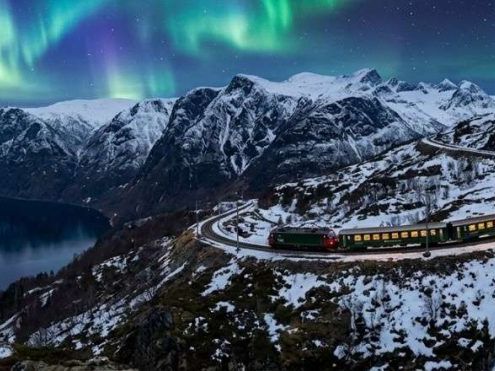
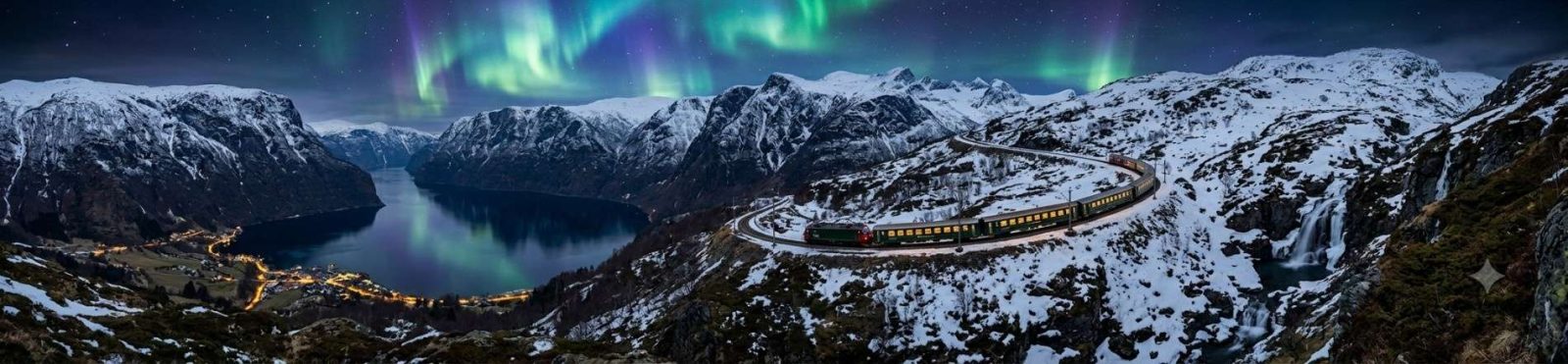
Two nights suit most itineraries. Oslo is the starting point for the scenic railway to Bergen, about seven hours, which can be broken at Myrdal for the Flåm Railway and a Sognefjord cruise. Stockholm is around five to six hours by train, and overnight ferries sail to Copenhagen.
Groups visiting on 17 May, Norway's Constitution Day, can watch the children's parade passing the Royal Palace, a cheerful, family-friendly occasion.
Practical Information
Useful to know before your group arrives in Oslo.
Loading typical weather…
Typical weather is not available right now. Please try again later.
| High °C |
|---|
| Low °C |
| Rainy days |
Oslo has warm summers and cold, snowy winters, with very long days in midsummer and short days in midwinter.
- Spring (March–May): highs rising from about 4°C to 16°C; snow lingers in March.
- Summer (June–August): highs around 20–23°C, with almost 19 hours of daylight in June.
- Autumn (September–November): highs falling from about 15°C to 4°C, with autumn colours and more rain.
- Winter (December–February): highs around −1 to 1°C and lows well below freezing, with regular snow and ice.
May to September is the best time to visit. In winter, pack thermals, a warm coat, gloves, a hat and shoes with good grip; bring layers in summer too.
- Arriving: Oslo Airport, Gardermoen, lies about 50 kilometres north of the city. The Flytoget airport express train reaches Oslo Central Station (Oslo S) in about 20 minutes, regional trains take slightly longer, and the drive is about 45 minutes.
- Getting around: Ruter runs the metro (T-bane), trams, buses and local ferries on one ticket system. The metro reaches Holmenkollen, and boats and buses serve Bygdøy.
- Tickets: Buy tickets before boarding, through the Ruter app or at ticket machines; 24-hour and multi-day tickets are good value for sightseeing.
- Groups: The centre is compact enough to walk between the Opera House, Akershus and the Royal Palace, while Bygdøy, Vigeland Park and Holmenkollen are easiest by coach.
An eSIM or European data plan bought before departure is usually much cheaper for Indian travellers than an Indian international roaming pack. Local prepaid SIM cards are sold at the airport and in shops; a passport is needed at purchase. Norway is in the EEA, so an EU SIM or eSIM works here under EU roaming rules.
Free Wi-Fi is common in hotels, cafés and on trains. Norway uses 230 V with Type C/F sockets; Indian Type D plugs do not fit, so carry a universal adapter.
Oslo has a good choice of Indian and Pakistani restaurants, reflecting its long-established Pakistani community. The Grønland area near the central station is well known for South Asian and Middle Eastern grocery shops, sweets and spices. Vegetarian food is easy to find, Jain meals should be requested in advance through the DMC, and halal food is widely available.
Traditional Norwegian cooking centres on fish and meat, but easy vegetarian choices include waffles with brown cheese (brunost), cinnamon buns, potato dishes and fresh bread; baked goods usually contain egg. Eating out in Norway is expensive, so supermarkets such as Rema 1000, Kiwi, Coop and Meny are useful for fruit, milk, bread and snacks.