
 Iceland
City guide · Iceland
Reykjavik
About Reykjavik
Reykjavik (Reykjavík) is the capital of Iceland and the northernmost capital of a sovereign state. It is a small, colourful and easy-going city on the shores of Faxaflói bay, and the base for most visits to Iceland's volcanic landscapes, waterfalls and geothermal pools.
In the city, visitors see Hallgrímskirkja church with its tower views, the Harpa concert hall on the waterfront, the Sun Voyager sculpture, the Old Harbour where whale-watching trips depart, the main shopping street Laugavegur, and Perlan with its views over the city.
Three to four nights allow time for the city and the classic day trips. The Golden Circle route, covering Þingvellir National Park, the Geysir geothermal area and Gullfoss waterfall, is a full day by coach. The south coast waterfalls of Seljalandsfoss and Skógafoss make another full day, and the Blue Lagoon lies about 45–50 minutes away, near Keflavík Airport, though it can close temporarily during volcanic activity on the Reykjanes peninsula.
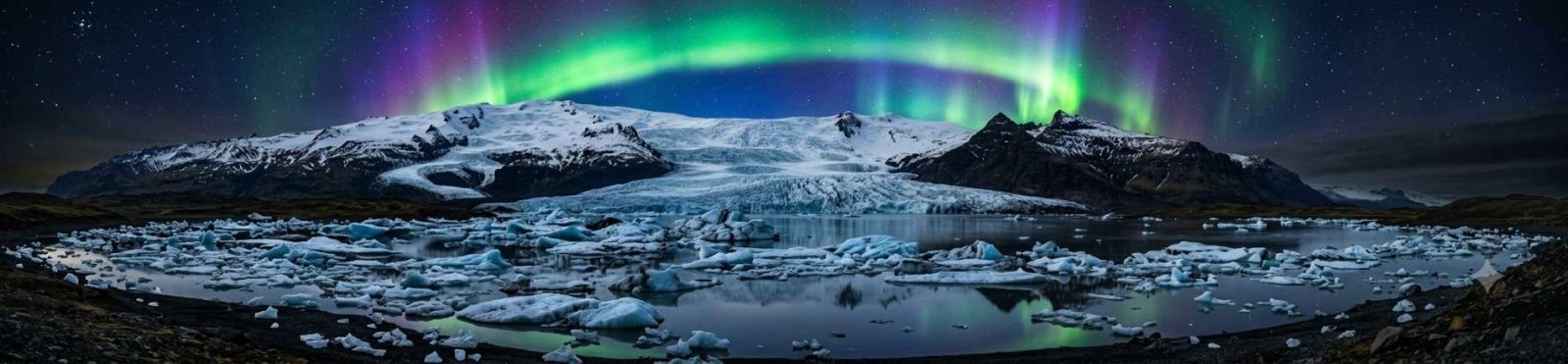
Between roughly September and March, clear dark nights offer a chance to see the northern lights, a strong draw for honeymooners and families, though sightings always depend on the weather.
Practical Information
Useful to know before your group arrives in Reykjavik.
Loading typical weather…
Typical weather is not available right now. Please try again later.
| High °C |
|---|
| Low °C |
| Rainy days |
Reykjavik has a cool, windy maritime climate; weather can change several times in a day.
- Summer (June–August): cool, highs around 12–15°C, with very long daylight and almost no darkness in June.
- Autumn (September–November): cooling from around 11°C to 3°C, windy and often wet.
- Winter (December–February): around 0–3°C, strong winds, snow and ice; only about four to five hours of daylight in December.
- Spring (March–May): slowly warming from around 3°C to 10°C, with lengthening days.
June to August suits sightseeing; September to March suits northern lights trips. Pack a windproof and waterproof jacket, warm layers, thermals in winter, sturdy shoes and swimwear for the pools.
- Arriving: international flights use Keflavík International Airport, about 50 km from Reykjavik. Airport coaches take about 45–50 minutes to the city, and many continue to hotels or nearby pick-up points; private transfers are simplest for groups.
- No trains: Iceland has no railway, so travel outside the city is by coach, organised tour or car.
- Getting around: the city centre is compact and walkable. Local Strætó buses serve the wider area.
- Groups: large coaches are restricted in the narrow streets of the old centre, so tours usually collect passengers from designated bus stops rather than at every hotel door.
- Winter: roads can close at short notice because of snow and wind, so keep itineraries flexible.
Mobile data: for Indian travellers, an eSIM or a European data plan bought before departure usually costs much less than Indian international roaming packs. Local prepaid SIM cards are sold at the airport and in shops; a passport is needed at purchase. Iceland is in the EEA, so an EU/EEA SIM or eSIM works there under EU roaming rules.
Wi-Fi: free Wi-Fi is common in hotels, cafés and many tour coaches.
Power: 230 V with Type C/F sockets. Indian Type D plugs do not fit, so bring a universal adapter.
Reykjavik has a small number of Indian restaurants and good vegetarian and vegan choices in the centre, but options outside the capital are very limited, so packed snacks are useful on long day trips. Eating out in Iceland is relatively expensive. Halal food is limited, and Jain meals should be arranged in advance through the DMC or the restaurant.
Local foods that suit vegetarians include skyr (a thick, high-protein dairy product), dark rúgbrauð rye bread, and kleinur, small twisted pastries. The supermarket chains Bónus, Krónan and Hagkaup are good for fruit, milk, bread and snacks, and are a cost-effective option for self-catering.