 France
City guide · France
Paris
About Paris
Paris, the capital of France, grew from a settlement on the Île de la Cité in the Seine into one of Europe's great centres of art, fashion and food. Its wide boulevards, laid out largely in the nineteenth century, give the city its elegant and very walkable character.
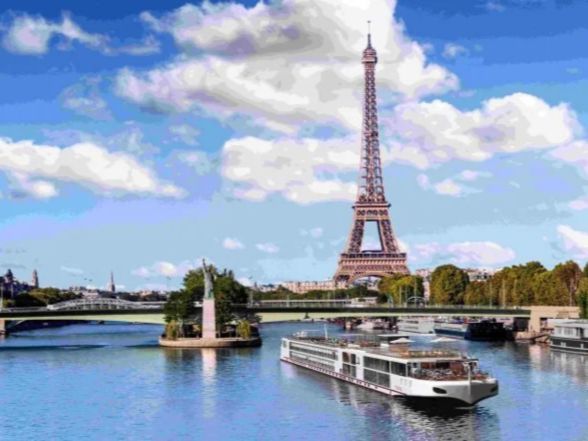
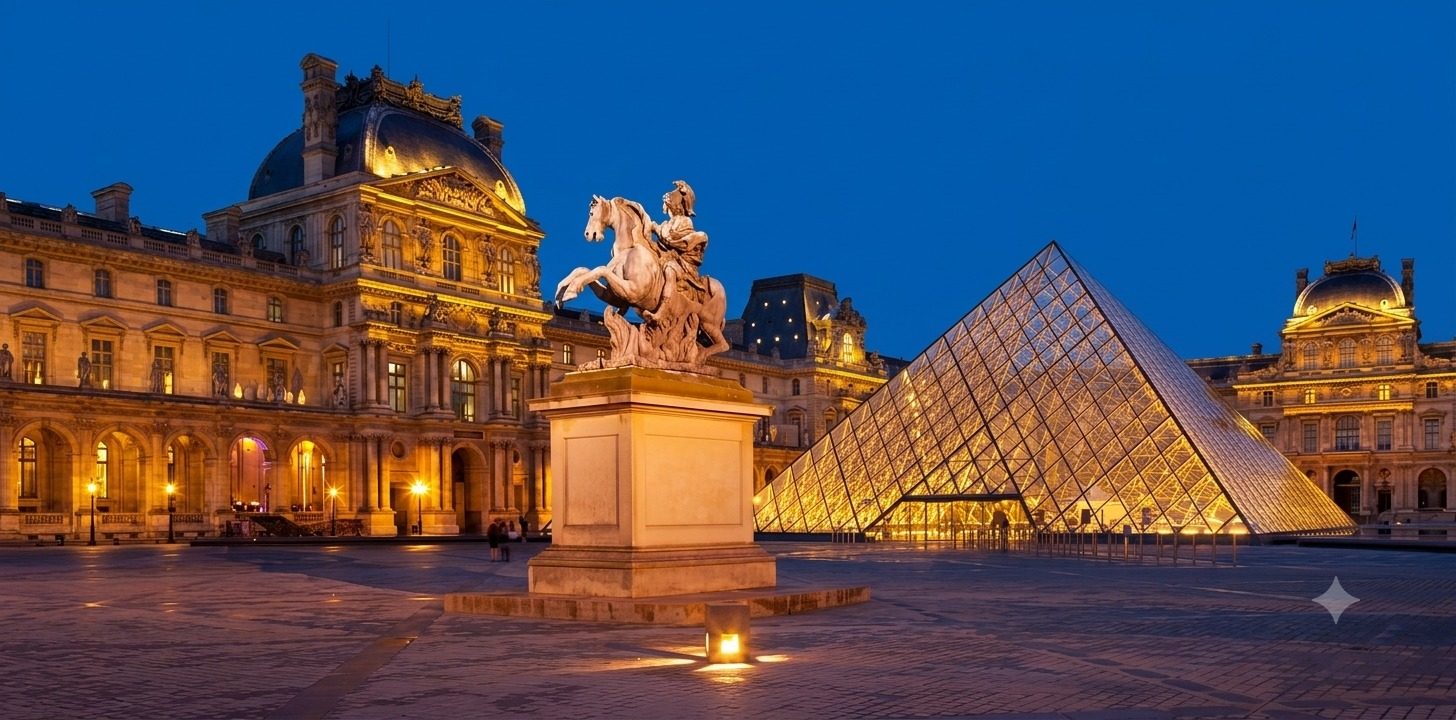
First-time visitors usually see the Eiffel Tower, the Louvre, Notre-Dame Cathedral on the Île de la Cité, the Arc de Triomphe and the Champs-Élysées, and the hilltop district of Montmartre with the Sacré-Cœur Basilica. A boat cruise on the Seine is an easy way to see many landmarks in one go, and the Musée d'Orsay suits groups interested in Impressionist art.
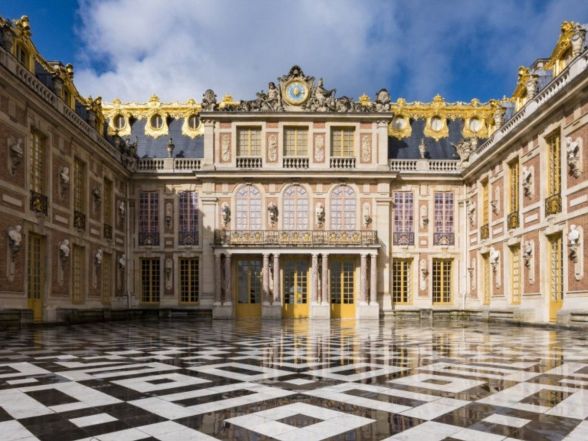
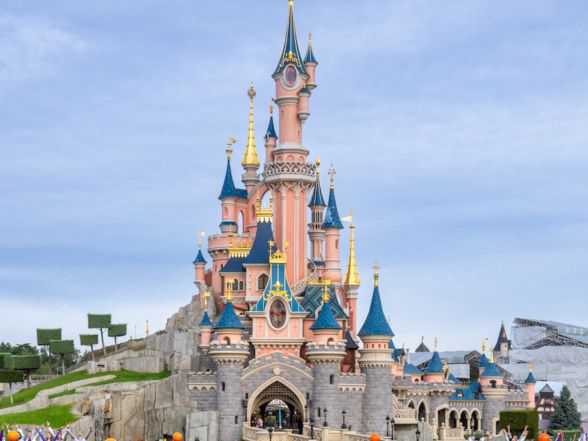
Three to four nights works well for a first visit. The Palace of Versailles and Disneyland Paris are both under an hour from the centre, and high-speed trains reach Brussels in about one and a half hours and London through the Channel Tunnel in roughly two and a half hours.
For shopping, the department stores on Boulevard Haussmann are popular with Indian families, and Disneyland Paris makes an easy full day for groups travelling with children.
Practical Information
Useful to know before your group arrives in Paris.
Loading typical weather…
Typical weather is not available right now. Please try again later.
| High °C |
|---|
| Low °C |
| Rainy days |
Paris has a mild, temperate climate with rain spread fairly evenly through the year and no extreme seasons.
- Spring (March–May): Mild days around 12–20°C, with occasional showers and cool evenings.
- Summer (June–August): Highs usually around 24–26°C, with occasional hot spells above 30°C.
- Autumn (September–November): Pleasant in September, cooling to around 10–12°C by November, with more rain.
- Winter (December–February): Cold and often grey, with highs around 6–8°C and nights close to freezing.
Late spring and early autumn are the most comfortable times to visit. Pack layers, a light rain jacket and comfortable walking shoes in every season.
- Arriving: Paris Charles de Gaulle Airport is linked to the centre by the RER B suburban train in about 35–45 minutes; Paris Orly Airport is also well connected. Taxis and private transfers take 45 minutes or more depending on traffic.
- Getting around: The Metro is dense and the quickest way to cross the city, supported by RER trains, buses and trams. The Navigo pass range covers longer stays, and day passes are available for short visits.
- By rail: High-speed trains leave from Gare du Nord (London, Brussels), Gare de Lyon (south of France, Switzerland) and Gare de l'Est (eastern France, Germany).
- Groups: Coach parking in central Paris is limited, so drop-off and pick-up points near the major sights are usually arranged in advance.
Mobile data: For Indian travellers, an eSIM or a European data plan bought before travel usually costs much less than Indian international roaming packs. Local prepaid SIMs are sold at the airport and in phone shops; a passport is needed at purchase. A French or other EU SIM or eSIM also works across other EU/EEA countries under EU roaming rules.
Wi-Fi: Free Wi-Fi is common in hotels, cafés and many stations.
Power: 230 V with Type C/E sockets. Indian Type D plugs do not fit, so bring a universal adapter.
Paris has a large number of Indian, Pakistani, Bangladeshi and Sri Lankan restaurants, with the greatest concentration around La Chapelle and Passage Brady, where South Asian grocery shops are also easy to find. Vegetarian meals are widely available; Jain meals should be requested in advance through the DMC or the restaurant. Halal food is easy to find at the many North African, Turkish and Middle Eastern restaurants across the city.
French dishes that are naturally vegetarian or easy to adapt include ratatouille (slow-cooked Provençal vegetables), crêpes with cheese, fruit or chocolate, and the excellent breads and pastries from any bakery. Carrefour, Monoprix and Franprix stores are everywhere for snacks, fruit, milk and bread.