 Italy
Italy
City guide · Italy
Rome
About Rome
Rome, the capital of Italy, has been a centre of power, faith and art for well over two thousand years. Ancient ruins, Renaissance and Baroque churches, grand piazzas and fountains sit side by side, and the independent Vatican City lies within the city.
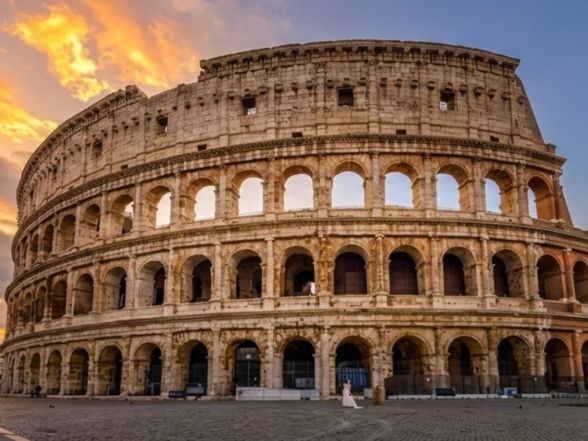
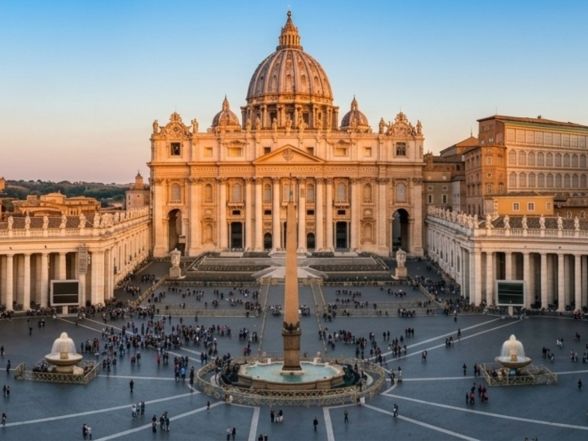
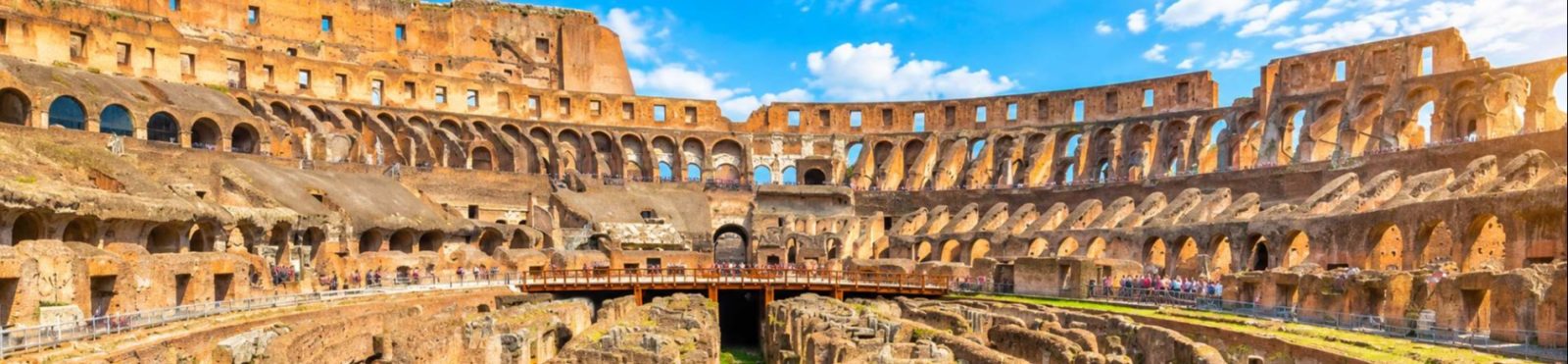
First-time visitors usually see the Colosseum, the Roman Forum and Palatine Hill, the Pantheon, the Trevi Fountain, the Spanish Steps and Piazza Navona. In Vatican City, St Peter's Basilica, St Peter's Square and the Vatican Museums with the Sistine Chapel are the main highlights; shoulders and knees should be covered to enter churches.
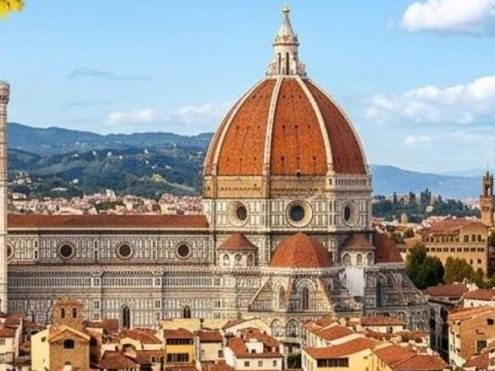
Three nights is a comfortable minimum. Florence is about one and a half hours away by high-speed train and Naples a little over an hour, making Pompeii a feasible long day trip. Tivoli, with its villas and gardens, is about an hour by road, and the ancient port of Ostia Antica is closer still.
Popular sights such as the Colosseum and the Vatican Museums use timed entry, so booking well ahead through the DMC is strongly advised for groups and students.
Practical Information
Useful to know before your group arrives in Rome.
Loading typical weather…
Typical weather is not available right now. Please try again later.
| High °C |
|---|
| Low °C |
| Rainy days |
Rome has a Mediterranean climate with hot, dry summers and mild, wetter winters.
- Spring (March–May): pleasant, highs from around 16°C to 24°C.
- Summer (June–August): hot and sunny, highs around 30–32°C, often higher in heatwaves.
- Autumn (September–November): warm early, cooling from around 27°C to 16°C, with heavier rain in October and November.
- Winter (December–February): mild, highs around 12–14°C, cool nights.
April to June and September to October are ideal. In summer carry water, sun protection and a hat; at any time bring comfortable shoes for cobbled streets.
- Arriving: Leonardo da Vinci–Fiumicino Airport is linked to Roma Termini by the non-stop Leonardo Express train in about 30 minutes; a taxi takes about 45–60 minutes. Ciampino Airport, used mainly by budget airlines, is connected by bus or taxi.
- Getting around: three metro lines (A, B and C), buses and trams cover the city, though much of the historic centre is best explored on foot.
- Tickets: buy tickets before boarding and validate paper tickets on buses and trams; 24-hour and multi-day passes are available.
- Groups: central Rome has restricted-traffic zones (ZTL), and coaches need permits and must use designated stops and parking areas, so plan drop-off points with the DMC.
Mobile data: for Indian travellers, an eSIM or a European data plan bought before departure usually costs much less than Indian international roaming packs. Local prepaid SIM cards are sold at the airport and in phone shops; a passport is needed at purchase. A SIM or eSIM from any EU/EEA country works in Italy under EU roaming rules.
Wi-Fi: free Wi-Fi is common in hotels, cafés and many public places.
Power: 230 V with Type C/F/L sockets. Indian Type D plugs do not fit, so bring a universal adapter.
Rome has many Indian and Bangladeshi restaurants, with a strong concentration of South Asian grocery shops and eateries in the Esquilino area near Termini station and Piazza Vittorio. Halal food is available, and vegetarian food is easy to find. Jain meals should be arranged in advance through the DMC or the restaurant.
Roman favourites that suit vegetarians include cacio e pepe (pasta with pecorino cheese and black pepper), pasta all'arrabbiata (spicy tomato sauce) and pizza margherita. Strict vegetarians may note that traditional Italian hard cheeses are made with animal rennet. Carrefour, Conad and Coop supermarkets are convenient for snacks, fruit and milk.