 Belgium
City guide · Belgium
Brussels
About Brussels
Brussels, the capital of Belgium, is home to the main institutions of the European Union and is a bilingual French- and Dutch-speaking city. Its medieval heart, grand nineteenth-century avenues and Art Nouveau buildings sit alongside a lively food culture famous for chocolate, waffles and fries.
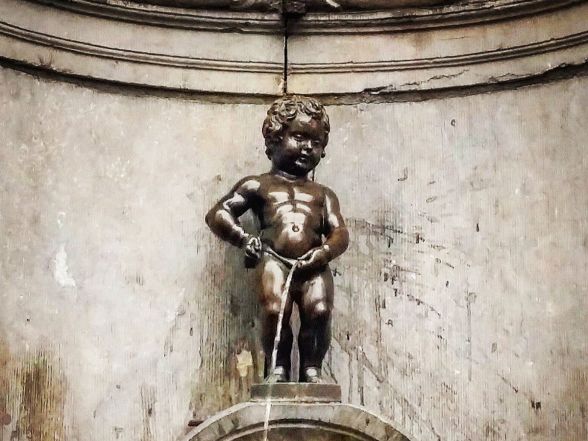
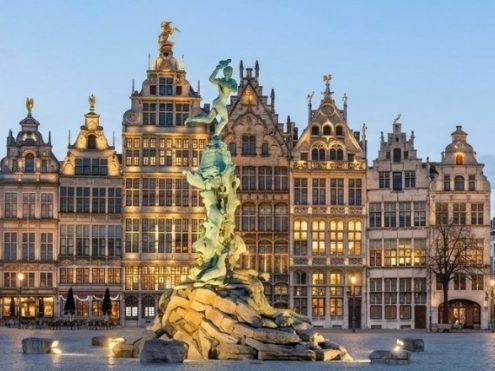
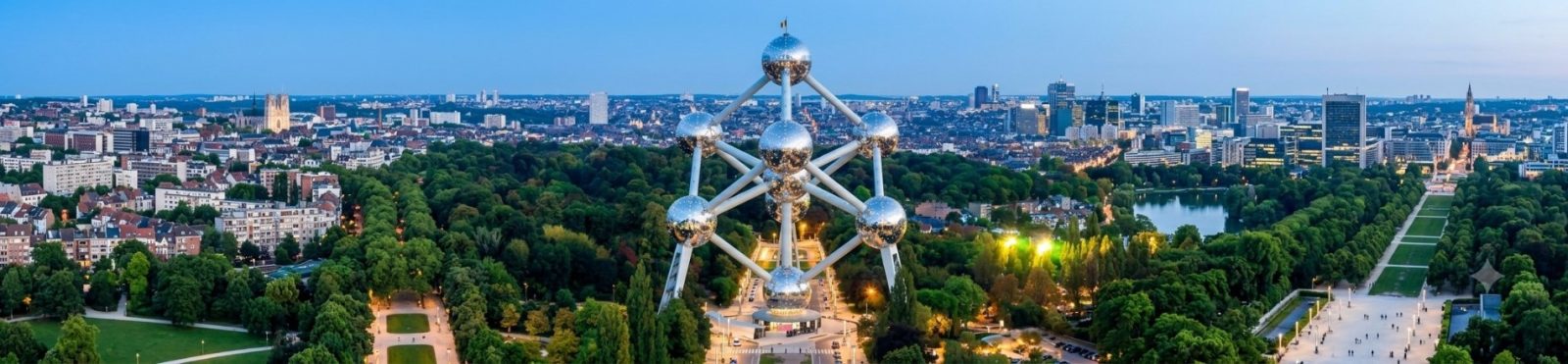
The Grand-Place, with its ornate guildhalls and Town Hall, is one of Europe's finest squares and a UNESCO World Heritage Site. Nearby are the Manneken Pis statue and the elegant Royal Galleries of Saint-Hubert. Further out, the Atomium is popular with families, and the European Quarter and the Parlamentarium visitor centre explain how the EU works.
One to two nights is usually enough. Ghent is about 30 minutes away by train, Antwerp around 45 minutes and Bruges about an hour, while high-speed trains reach Paris in roughly one and a half hours and London in around two hours.
Chocolate workshops and tastings are a favourite group activity, and the Atomium makes an easy half day with children.
Practical Information
Useful to know before your group arrives in Brussels.
Loading typical weather…
Typical weather is not available right now. Please try again later.
| High °C |
|---|
| Low °C |
| Rainy days |
Brussels has a mild maritime climate with rain likely in any season and few extremes of heat or cold.
- Spring (March–May): Cool to mild, with highs from around 10°C to 18°C and frequent showers.
- Summer (June–August): Pleasant, with highs around 22–24°C and occasional warmer spells.
- Autumn (September–November): Mild in September, becoming cool, grey and wetter later.
- Winter (December–February): Cold and damp, with highs around 5–7°C and nights near freezing.
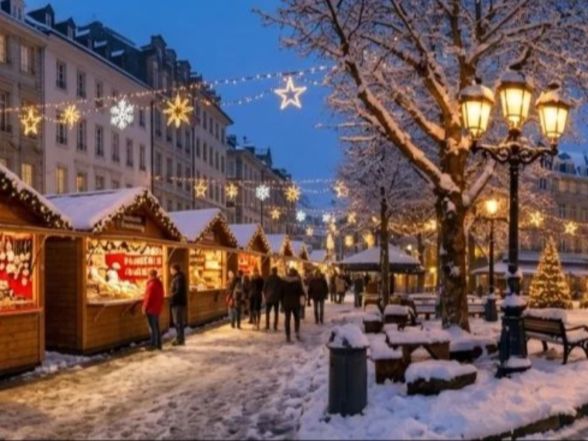
May to September is the most comfortable period, and December brings the Christmas market. Pack layers, an umbrella or rain jacket, and comfortable shoes for cobbled streets.
- Arriving: Brussels Airport (Zaventem) is linked to the city's main stations by train in about 20 minutes. Brussels South Charleroi Airport, used by some low-cost airlines, is about an hour away by coach.
- Getting around: STIB runs the metro, trams and buses; a MOBIB card or day ticket suits sightseeing, and the compact centre is easy on foot.
- By rail: Brussels-South (Bruxelles-Midi) is the hub for high-speed trains to Paris, London, Amsterdam and Germany, with frequent domestic trains to Bruges, Ghent and Antwerp.
- Groups: The streets around the Grand-Place are pedestrianised, so coaches drop groups nearby and guests continue on foot.
Mobile data: For Indian travellers, an eSIM or European data plan bought before travel usually costs much less than Indian international roaming packs. Prepaid SIMs are sold at the airport and in phone shops; a passport is needed at purchase. A Belgian or other EU SIM or eSIM works across other EU/EEA countries under EU roaming rules, but not necessarily in the UK, so check before travelling on to London.
Wi-Fi: Free Wi-Fi is common in hotels, cafés and many stations.
Power: 230 V with Type C/E sockets. Indian Type D plugs do not fit, so a universal adapter is needed.
Brussels has a good number of Indian, Pakistani and Nepali restaurants, as well as South Asian grocery shops. Vegetarian meals are easy to find, and Jain meals can be arranged on request in advance through the DMC or the restaurant. Halal food is widely available at the city's many Turkish, Moroccan and Middle Eastern restaurants.
Belgian favourites that suit vegetarians include waffles, stoemp (mashed potato with vegetables) and the famous fries; note that some traditional fry shops cook in beef fat, so it is worth asking. Belgian chocolate makes a popular gift. Delhaize, Carrefour, Colruyt and Lidl supermarkets are good for snacks, fruit, milk and bread.