 Austria
City guide · Austria
Vienna
About Vienna
Vienna, the capital of Austria, was for centuries the seat of the Habsburg dynasty, and its palaces, coffee-house culture and musical heritage, from Mozart and Beethoven to the Strauss family, still shape the city today. It is clean, safe and easy to explore on foot and by public transport.
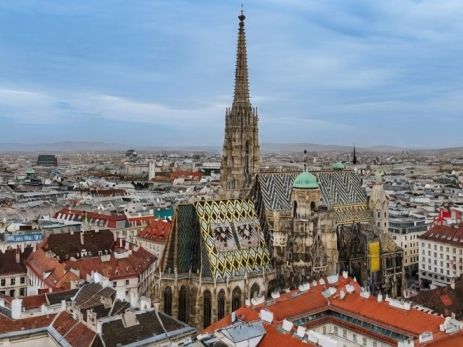
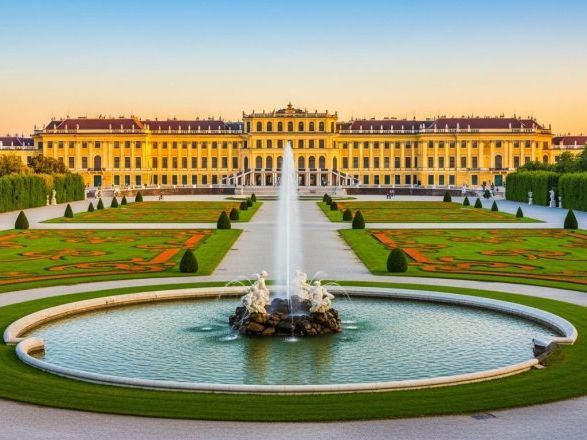
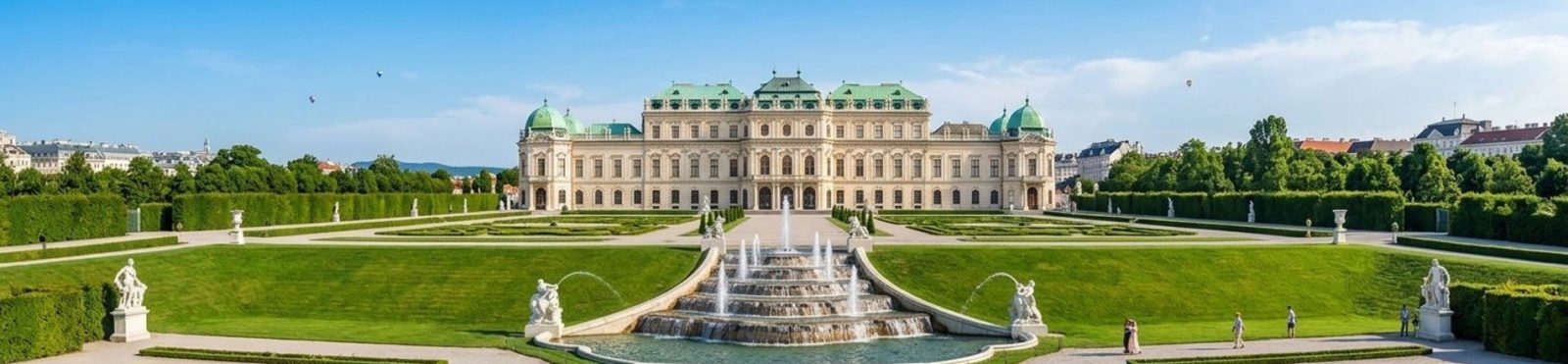
Key sights include Schönbrunn Palace and its gardens, the Hofburg imperial palace, St Stephen's Cathedral, the Belvedere with Klimt's The Kiss, and the grand buildings along the Ringstrasse, including the State Opera. The Prater park with its historic Giant Ferris Wheel and the Naschmarkt market are popular, more relaxed stops.
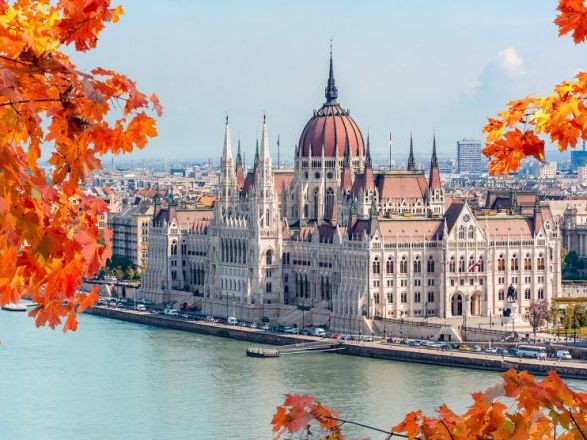
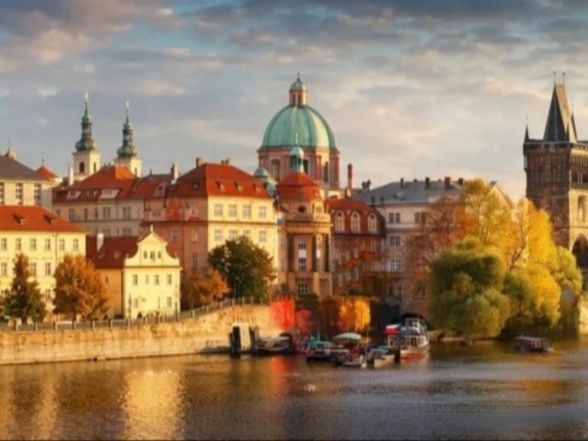
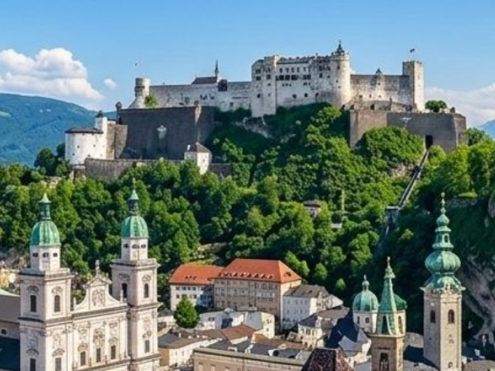
Two to three nights suits most itineraries. Bratislava is about an hour away by train, Budapest roughly two and a half to three hours, and Salzburg around two and a half hours. The Wachau Valley along the Danube, with Melk Abbey, makes a scenic day trip by coach.
Families enjoy the Prater amusement park, and the Christmas markets in front of the City Hall and at Schönbrunn make December a festive time for groups.
Practical Information
Useful to know before your group arrives in Vienna.
Loading typical weather…
Typical weather is not available right now. Please try again later.
| High °C |
|---|
| Low °C |
| Rainy days |
Vienna has a continental climate with warm summers, cold winters and moderate rainfall.
- Spring (March–May): Gradually warming from around 10°C to the low 20s°C.
- Summer (June–August): Highs usually around 25–27°C, with some hotter days and occasional thunderstorms.
- Autumn (September–November): Mild and often sunny in September, cooling to single figures by November.
- Winter (December–February): Cold, with highs around 2–5°C, frosty nights and occasional snow.
May to June and September to October are ideal for sightseeing, and December suits Christmas market tours. Pack layers and comfortable shoes; in winter bring a warm coat, gloves and a hat.
- Arriving: Vienna International Airport (Schwechat) is about 20 km from the centre. The City Airport Train reaches Wien Mitte in about 16 minutes, and the slower S-Bahn suburban train takes around 25 minutes.
- Getting around: Wiener Linien runs an efficient network of U-Bahn lines, trams and buses. Tickets valid for 24, 48 or 72 hours are good value for sightseeing; check whether a paper ticket needs to be stamped before you travel.
- By rail: Wien Hauptbahnhof is the main station for trains to Salzburg, Budapest, Prague, Munich and beyond.
- Groups: Much of the inner city inside the Ring is pedestrianised, so coaches usually drop groups on the Ringstrasse or at nearby stops and guests continue on foot.
Mobile data: For Indian travellers, an eSIM or European data plan bought before departure usually costs far less than Indian international roaming packs. Prepaid SIMs are sold at the airport and in phone shops, with a passport needed at purchase. An Austrian or other EU SIM or eSIM works across other EU/EEA countries under EU roaming rules.
Wi-Fi: Free Wi-Fi is widely available in hotels, cafés and many stations.
Power: 230 V with Type C/F sockets. Indian Type D plugs do not fit, so a universal adapter is needed.
Vienna has a good choice of Indian and Pakistani restaurants spread across the city, as well as South Asian grocery shops. Vegetarian food is easy to find, and Jain meals can be arranged on request in advance through the DMC or the restaurant. Halal food is widely available, especially at Turkish and Middle Eastern eateries and kebab stands, and the Naschmarkt offers falafel, hummus and other vegetarian snacks.
Viennese dishes that suit vegetarians include Apfelstrudel (apple strudel), Kaiserschmarrn (shredded sweet pancake, made with egg), Germknödel (a sweet yeast dumpling) and Käsespätzle (soft noodles with melted cheese). Billa, Spar, Hofer and Lidl supermarkets are found throughout the city for snacks, fruit, milk and bread.