 Austria
City guide · Austria
Innsbruck
About Innsbruck
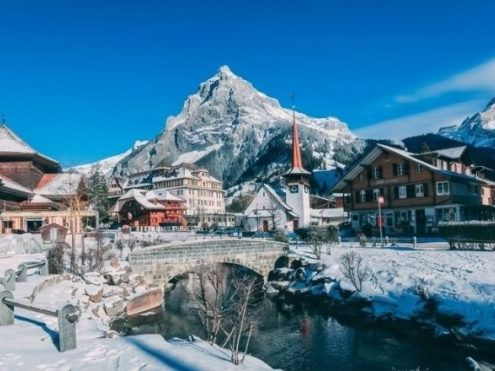
Innsbruck, the capital of the Austrian state of Tyrol, sits in the Inn valley surrounded by high Alpine peaks. A former residence of the Habsburg rulers and twice host of the Winter Olympics, it combines a historic old town with easy access to the mountains.
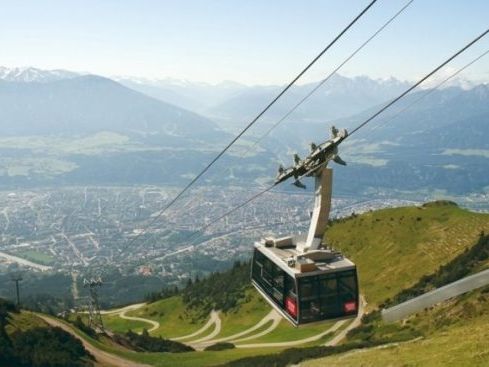
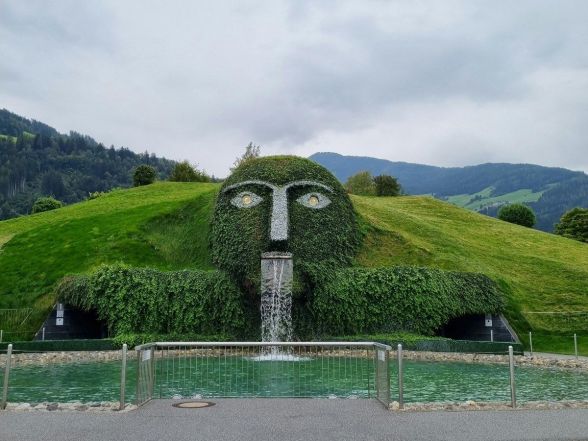
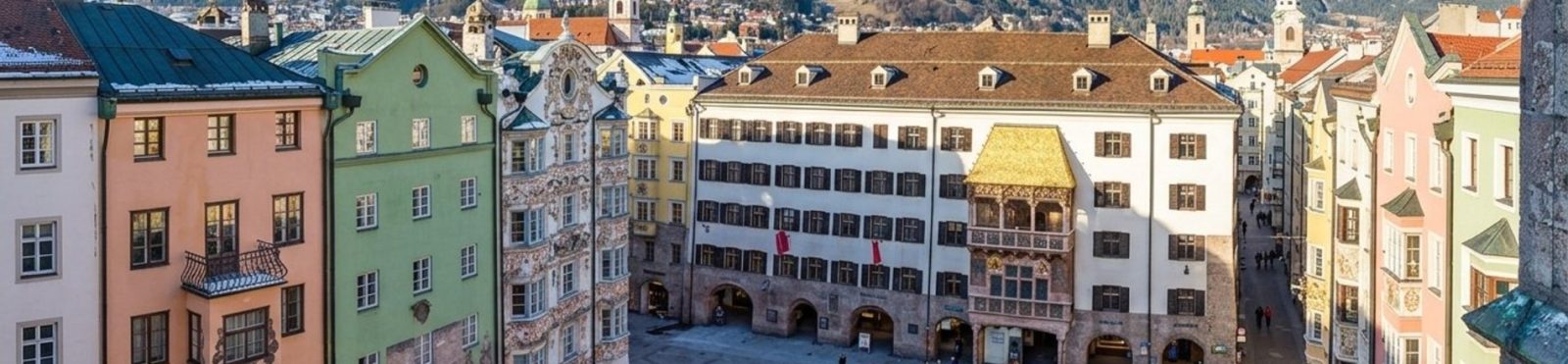
In the Old Town, the Golden Roof, the Hofburg imperial palace and the colourful houses along the Inn river are the main sights. The Nordkette cable cars climb from the city centre to viewpoints above 2,000 metres, and the Bergisel ski jump and Ambras Castle are also popular. Swarovski Crystal Worlds in Wattens is about 20 minutes away by road.
One to two nights fits well on an Austria–Germany–Switzerland circuit. Munich is about two hours away by train, and Salzburg roughly two hours. Kitzbühel and the Stubai Glacier make good excursions.
Swarovski Crystal Worlds is a favourite with Indian families, and the cable cars give groups an easy taste of the Alps, with snow on the upper slopes for much of the year.
Practical Information
Useful to know before your group arrives in Innsbruck.
Loading typical weather…
Typical weather is not available right now. Please try again later.
| High °C |
|---|
| Low °C |
| Rainy days |
Innsbruck has an Alpine climate, with warm sunny summers and cold winters, and the weather in the mountains above the city can change quickly.
- Spring (March–May): Mild in the valley, from around 10°C to 20°C, with snow still on the peaks.
- Summer (June–August): Highs around 24–26°C in the city, much cooler at altitude, with afternoon thunderstorms.
- Autumn (September–November): Clear, crisp days in September and October, turning cold in November.
- Winter (December–February): Highs around 2–4°C in the valley, well below freezing in the mountains, with regular snow.
June to September is best for sightseeing and mountain excursions, and December to March for snow. Pack layers and a warm jacket for the cable cars even in summer, and thermals in winter.
- Arriving: Innsbruck Airport is only a few kilometres west of the centre, about 20 minutes by city bus or taxi. Munich Airport is a common gateway for long-haul flights, around two to two and a half hours away by road.
- Getting around: The Old Town is compact and walkable, and trams and buses connect the main railway station, hotels and the Nordkette cable car base.
- By rail: Innsbruck Hauptbahnhof has direct trains to Munich, Salzburg, Vienna and Zurich.
- Groups: The Old Town is pedestrianised, so coaches drop groups at its edge, a short walk from the Golden Roof.
Mobile data: For Indian travellers, an eSIM or European data plan bought before travel usually costs much less than Indian international roaming packs. Prepaid SIMs are sold in phone shops in the city; a passport is needed at purchase. An Austrian or other EU SIM or eSIM works across other EU/EEA countries under EU roaming rules, but Switzerland is not in the EU, so check the plan includes it if travelling on to Zurich.
Wi-Fi: Free Wi-Fi is common in hotels and cafés.
Power: 230 V with Type C/F sockets. Indian Type D plugs do not fit, so carry a universal adapter.
Innsbruck has only a few Indian restaurants, so choice is limited; Munich offers a much wider selection. Most local restaurants offer vegetarian dishes, while Jain meals should be requested in advance through the DMC or the restaurant. Halal food can be found at some Turkish and Middle Eastern eateries in the city.
Tyrolean dishes that suit vegetarians include Käsespätzle (soft noodles with melted cheese and fried onions), Kaspressknödel (cheese dumplings, best ordered with salad rather than in meat broth) and Apfelstrudel. MPreis, Spar and Billa supermarkets are convenient for snacks, fruit, milk and bread, and packed snacks are useful for mountain excursions.